
A domestic violence hearing can be particularly difficult and emotionally overwhelming for a survivor of domestic violence. In addition to dealing with the circumstances that led to seeking a Domestic Violence Protective Order (DVPO), the survivor must also navigate the court process, appear before a judge, present evidence, and potentially testify about difficult or traumatic events.
Hiring an attorney experienced with domestic violence matters can help alleviate some of the uncertainty and anxiety associated with going to court. An attorney can explain the hearing process, help identify relevant evidence, prepare witnesses, and ensure that the domestic violence survivor understands what to expect when appearing before the court.
What is a Witness Preparation Session?
Before a DVPO hearing, an attorney may schedule a witness preparation session with the survivor. The purpose of this meeting is to help the survivor understand how the hearing will proceed and prepare to testify about the events that led to the request for protection.
During a preparation session, the attorney may review the allegations contained in the DVPO complaint, discuss the questions the survivor may be asked during the hearing, review relevant evidence, and explain what to expect during direct and cross-examination. The attorney may also discuss courtroom procedures, including when the survivor will testify and how exhibits or other evidence may be presented.
If you are a survivor seeking a DVPO, the following evidence will be helpful to bring to your attorney’s attention:
- Photographs and Video Evidence: Provide your attorney with any photographs or videos that may be relevant to the hearing, particularly those documenting or illustrating any injuries, property damage, or other evidence related to the alleged domestic violence.
- Text Messages and Other Communications: Bring any relevant text messages, emails, social media messages, voicemails, or other communications between you and the opposing party.
- Police Reports: Bring copies of any police reports or other law enforcement documents related to the incidents at issue.
- Potential Witness Information: Provide the names and contact information of anyone who witnessed the alleged domestic violence, observed your injuries, or may otherwise have relevant information about the events at issue.
Domestic violence protective orders in North Carolina are governed by Chapter 50B of the North Carolina General Statutes. Navigating the DVPO process can be difficult, but an experienced family law attorney can provide guidance from preparing for the hearing to presenting evidence and understanding the court’s order.
If you or somebody you know is in need of legal guidance when it comes to their children and an A/N/D legal proceeding, our team at Modern Legal is here to help.
Please note: these educational materials are based on North Carolina law where my legal practice is based. While the insights may have wide applicability, readers should consult with an attorney regarding the specific laws in their state or country.
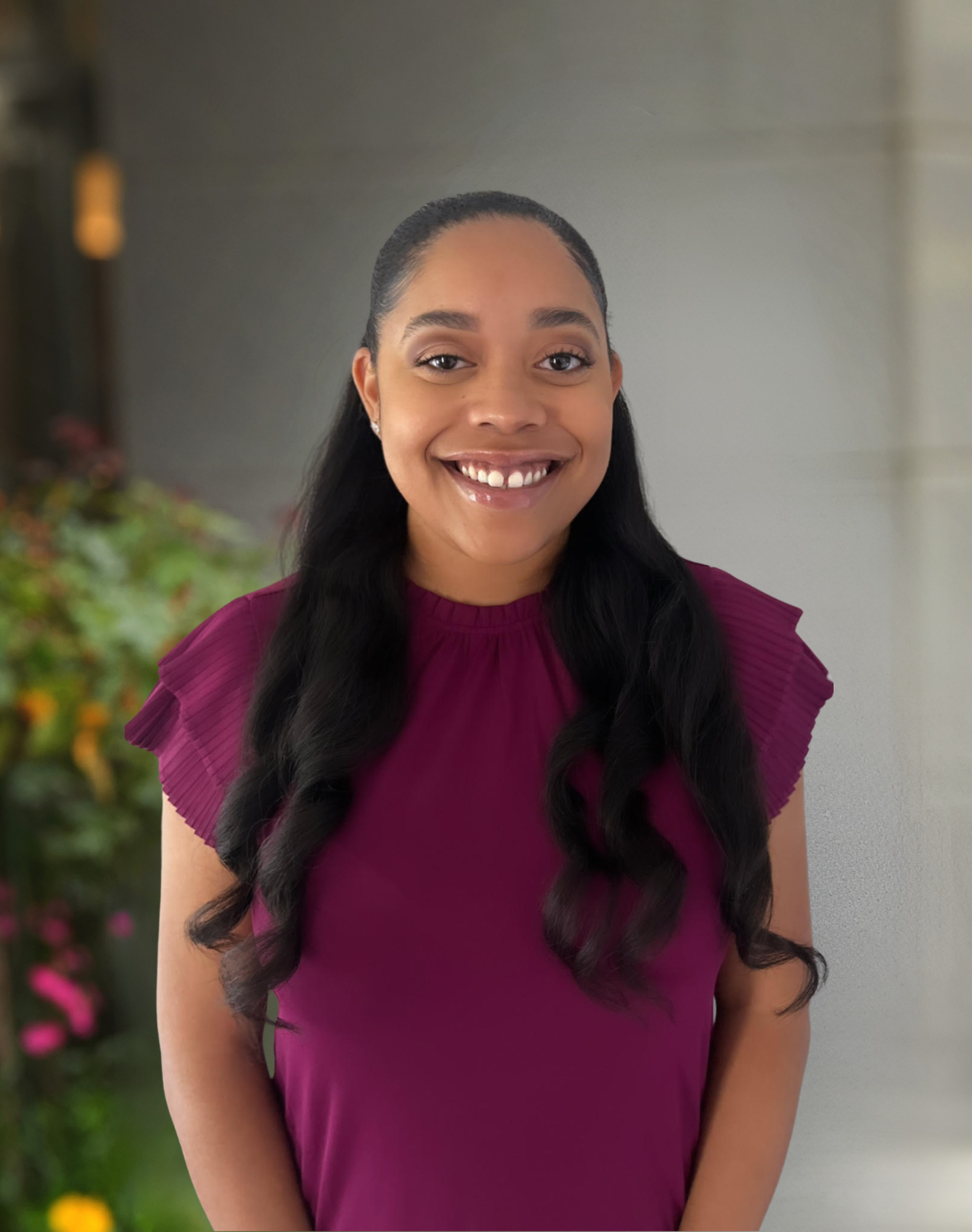
Driven by a passion for helping individuals and families navigate life’s most challenging transitions, Eboni N. Thompson has dedicated her legal career to providing compassionate, client-centered family law representation. She believes that every client deserves to feel heard, informed, and empowered throughout the legal process, whether resolving matters through negotiation or advocating in the courtroom when necessary. As a Family Law Associate Attorney at Modern Legal, Eboni is committed to guiding clients with empathy, professionalism, and practical legal solutions that help them move forward with confidence.